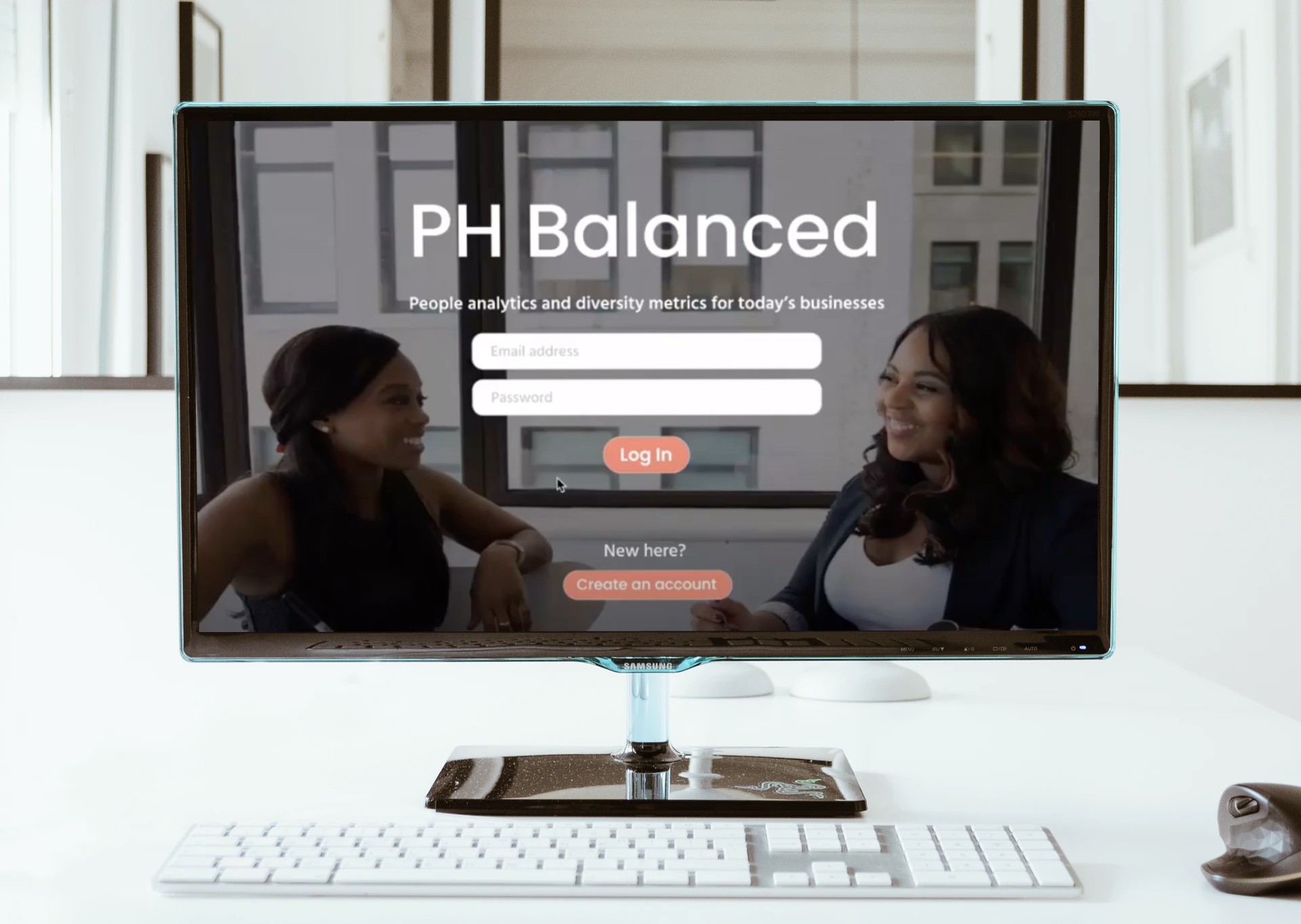
The lack of representation of women of color in STEM or corporate America in general, cannot be simply equated to the “pipeline problem”. More than half the workers believe that their company has failed in creating a diverse and inclusive workplace. This is the reason, more than 95% of the workers are considering changing jobs. Employers need to consider employee priorities with DEI being the foremost of them.
Some of these issues can be identified with the use of people analytics. Recent studies have suggested that taking the help of HR data can result in increasing job offer acceptance rates and compensation management among employees of color. If the employee lifecycle is studied throughout, there is enough data that can help employers retain them and recruit new ones in the long run. To diversify your workforce, use a scientific approach to find gaps and existing biased practices in your recruitment process:
Identify The Current Employee Population:
The first step towards bettering diversity figures in your company is to analyze the current employee population. While it might be tempting to just focus on people of color in general and hope that they will become tenured employees, it is important to realize that different positions and people will require different marketing programs to attract them. This is why it is important to take a scientific and analytical approach to build the right strategy for your diverse talent acquisition strategy.
The first step to it is to realize where your diversity gaps are. Use your current data and analytics to examine your current employee population. Examine the headcount by gender, color, race, ethnicity, and status, etc. Also, perform an analysis of a combination of these characteristics at various levels in your organization to understand how intersectionality impacts employees. This process will help identify and bring out insights into the areas where your organization needs more diversity efforts, especially in technical roles like engineering or science where women are not often found or leave an organization. Once you know where to stand, the path to where you want to go will become a bit easier.
Use Big Data To Eliminate Discrimination:
Using big data (talent analytics, HR analytics, predictive analysis, and human capital analytics) can be the most important solution to cutting out bias and discrimination during the recruitment process. HR analytics isn’t just about the data you have, but it is about the insights you can get through it. There are four questions that a company can potentially help find out via HR analytics to get rid of bias and discrimination especially in the hiring process:
- What variables influence the compensation structure?
- What is the current gender balance and ethnicity ratio in different departments throughout the organization?
- What are the recent trends in diversity dropouts and resignations across your company?
- Is there behavior compatibility and will a candidate feel welcomed in your company (AI analytics and surveys can help find out the answer)
Based on the findings you have from these questions, you must do a rigorous analysis to chart out a plan that can help tackle these before you map out any plan to hire more diverse people in your company.
Remove Bias From The Hiring Process:
Women of color have to suffer from varying levels of discrimination and bias during the interview phases. With the real-time data, HR leaders and managers can recognize if the interviewer has certain biases that need to be addressed. More often than not, this data can provide insights into how certain interviewers constantly provide negative feedback against women of color. Moreover, with the help of technology and analytics, the feedback given by interviewers during the hiring process can also be submitted individually without others having access to it. Since, unconscious bias is often a cause of groupthink, using technology and tracking the data can help counter it.
Moreover, if there have been challenges in bringing women of color onboard, anonymized resume reviews and blind resumes can also be considered. When the interviewer doesn’t know about ethnicity, gender, and identity, it will be easier to focus on the skills and experience rather than the background of the candidate in question. This will help lessen the bias and discrimination during the hiring process.
Evaluate The Hiring Funnel:
If there is a diverse applicant pool but fewer hires making it to the final stages, it is time to critically look into the hiring funnel. More often than not, with women of color, a lot of the time bias and discrimination are to the extent that they do not make it to the end of the funnel. Assess the data from leads to the percentage of the candidates that make it to the final stages. The HR teams should take their time to realize where they might have lost potential candidates to biases and deficits. For example, if there are fewer diverse candidates applying since the beginning, it is time to invest more into lead generation to widen the candidate pool. Moreover, if there is a certain hiring manager constantly providing negative feedback, the funnel can help realize what kind of measures and training is required to improve the interviewing process. For companies struggling to attract diverse talent, updating job postings with impact descriptions are the first place to start. Impact descriptions are tailored more toward the expectations of the role rather than the background of the candidates, allowing a more diverse pool to feel they would be qualified for the role.
Look at The Employee Lifecycle Data:
How your current diverse candidates are faring and have fared in the long-term can help provide significant insights into your organization’s culture. How long have the employees from a certain background or gender have stayed in your company, how was their performance reviewed by managers, what did their performance graphs depict, compensation and promotions can tell a lot about the loopholes that can possibly be responsible for increasing resignations, performance improvement plans and terminations of Black, Latinx, and women in your company.
If you connect all your pre-hire and post-hire data systems in one platform, you can regularly analyze the performance of your diverse employees compared to the majority base of employees. This can also serve as an important indicator of promotions and the lags in bonuses that diverse candidates generally suffer from. For the successful past candidates, use the data to recreate the steps you took to hire and onboard them in the first place. You can continuously use this as a formula to attract and hire diverse and potentially high-value employees.
More importantly, is understanding how current processes and procedures in your organization are biased. Leveraging HR data, you can identify where to make changes to retain and create a culture of belonging for Black, Latinx, and Indigenous employees along with other underrepresented employees.
Say NO To Gender Bias:
As with society in general, women of color are at a disadvantage against systematic bias and racism. Women of color face the double jeopardy of not being male or white in the hiring process. According to the National Science Foundation, fewer than 10% of STEM employees in the United States are women of color; comprising of 6.5% Asian women, 1.8% Latinas, and 1.6% black women. This confirms that gender and ethnic bias is ingrained in the hiring procedure. What’s more, is that women are less likely to be hired in the same role for STEM positions as their male counterparts even when their past performance has proved to be equal.
This means that alongside addressing the bias against women of color, it is important to make the hiring process gender-neutral. While training interviewers is important, it is crucial to start by implementing gender-neutral procedures. A University of Washington, Seattle research indicates that without any information other than a candidate’s appearance, both male and female subjects are also twice more likely to hire a man than a woman. On the other hand, a study by the National Bureau of Economic Research found significant discrimination against candidates with ‘black’ names, where resumes from people with white-sounding names were 50% more likely to receive an interview. By using AI tools to diversify the talent pool, the HR team can focus on hiring skills and not gender. The data can democratize the workplace and using it wisely for sustainable and equal hiring processes should be the way to go.